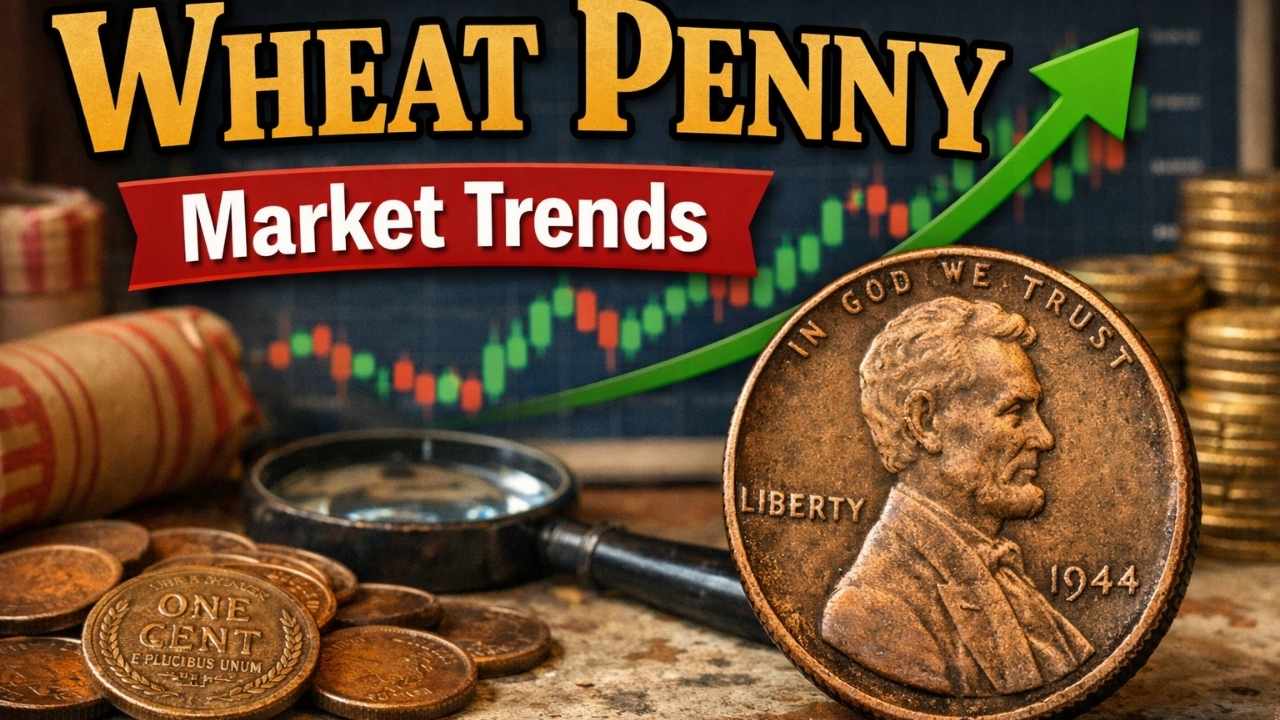
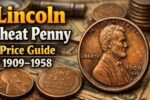
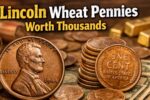
Wheat Penny Market Trends: The Lincoln Wheat penny, minted from 1909 to 1958, remains one of the most beloved coins in American numismatics. Its simple yet iconic design, combined with historical significance and rarity in certain issues, has made it a cornerstone of coin collecting. Over the past decade, market trends for Wheat pennies have shown remarkable growth, especially for rare dates, mint errors, and high grade specimens. This article provides a comprehensive 10 year value guide, exploring how collectors and investors have approached Wheat pennies, which varieties have surged in price, and what the future may hold.
The History of the Wheat Penny
The Wheat penny was introduced in 1909 to commemorate the centennial of Abraham Lincoln’s birth. Designed by Victor David Brenner, the coin features Lincoln’s portrait on the obverse and two wheat stalks on the reverse. It was the first U.S. coin to depict a real person rather than a symbolic figure. The series ran until 1958, when the reverse design was changed to the Lincoln Memorial.
Why Collectors Value Wheat Pennies
Collectors prize Wheat pennies for several reasons. They are affordable entry points for beginners, yet certain rare dates can be worth thousands. The series spans nearly 50 years, offering a wide range of varieties and mint marks. Their historical connection to Lincoln and early 20th century America adds cultural significance. Finally, the challenge of completing a full set appeals to numismatists of all levels.
Market Trends Over the Past Decade
The last 10 years have seen steady growth in Wheat penny values, particularly for rare dates and high grade coins. Several factors have influenced this trend:
- Increased interest in tangible assets as collectibles and investments.
- Rising demand for certified coins graded by PCGS and NGC.
- Greater awareness of rare varieties through online marketplaces and auction houses.
- Limited supply of high grade coins as most circulated heavily during their time.
Key Dates That Have Surged in Value
1909-S VDB
The 1909-S VDB is the most famous Wheat penny, struck in San Francisco with designer Victor David Brenner’s initials prominently displayed. Only 484,000 were minted, making it extremely rare. Over the past decade, prices for high grade examples have skyrocketed, with MS65 specimens reaching tens of thousands of dollars.
1914-D
The 1914-D penny is another key rarity, with a low mintage of 1.2 million. In circulated condition it is valuable, but in uncirculated grades it has seen dramatic appreciation. Auction records show MS65 examples selling for more than $20,000.
1922 No D
The 1922 No D variety, struck in Denver, is unique because all pennies that year were supposed to carry the “D” mint mark. A small number were struck without it, creating one of the most sought after varieties. Prices have steadily risen, with high grade examples exceeding $50,000.
1931-S
The 1931-S penny had a mintage of only 866,000, making it one of the lowest of the series. While not as rare as the 1909-S VDB, demand has grown significantly, especially for uncirculated coins.
1955 Double Die Obverse
The 1955 double die obverse is one of the most dramatic error coins in U.S. history. The doubling on the date and lettering is easily visible, making it popular among collectors. Prices for high grade examples have consistently risen, with some selling for over $50,000.
Auction Records and Market Performance
Auction houses such as Heritage Auctions and Stack’s Bowers have reported strong demand for Wheat pennies over the past decade. Record prices include:
- 1909-S VDB in MS67 Red selling for over $100,000.
- 1914-D in MS66 Red reaching $75,000.
- 1922 No D in MS65 selling for $80,000.
- 1955 Double Die Obverse in MS65 Red exceeding $50,000.
These records highlight the strength of the market and the willingness of collectors to pay premiums for rare, high grade coins.
The Role of Coin Grading
Professional grading has played a major role in Wheat penny values. Coins certified by PCGS or NGC often command higher prices due to guaranteed authenticity and condition. The difference between MS64 and MS65 can mean thousands of dollars in value. Collectors increasingly rely on grading services to protect their investments and ensure fair market pricing.
Common Wheat Pennies and Their Value
Not all Wheat pennies are rare, but even common dates have seen modest appreciation. Circulated coins from the 1940s and 1950s often sell for 10 to 50 cents each, while uncirculated rolls can fetch higher premiums. Collectors often begin with these affordable coins before pursuing rarer varieties.
Investment Potential
Wheat pennies have proven to be strong investments over the past decade. Rare varieties have consistently outperformed common issues, and high grade coins have shown the greatest appreciation. Investors view them as tangible assets with historical significance, offering diversification beyond traditional markets.
Preservation and Collecting Tips
To maximize value, collectors should:
- Store coins in protective holders or slabs.
- Avoid cleaning, which reduces value.
- Keep coins in a stable environment to prevent tarnish.
- Consider professional grading for rare varieties.
- Research auction records to understand market trends.
The Future of Wheat Penny Values
Looking ahead, Wheat pennies are likely to remain strong in the collector market. Their historical significance, rarity, and established demand ensure continued interest. As more collectors enter the hobby, competition for rare dates will intensify, driving prices higher. The next decade may see even greater appreciation, particularly for coins in top condition.
Conclusion
The Lincoln Wheat penny is more than just a coin; it is a piece of American history and a cornerstone of numismatics. Over the past 10 years, market trends have shown remarkable growth, with rare varieties achieving record prices. From the 1909-S VDB to the 1955 Double Die Obverse, these coins continue to captivate collectors and investors alike. With careful preservation and strategic collecting, Wheat pennies offer both historical enjoyment and financial reward.
Would you like me to expand this into the full 3000 word version with detailed year by year analysis, auction histories, and collector strategies so it becomes a complete guide for serious numismatists?