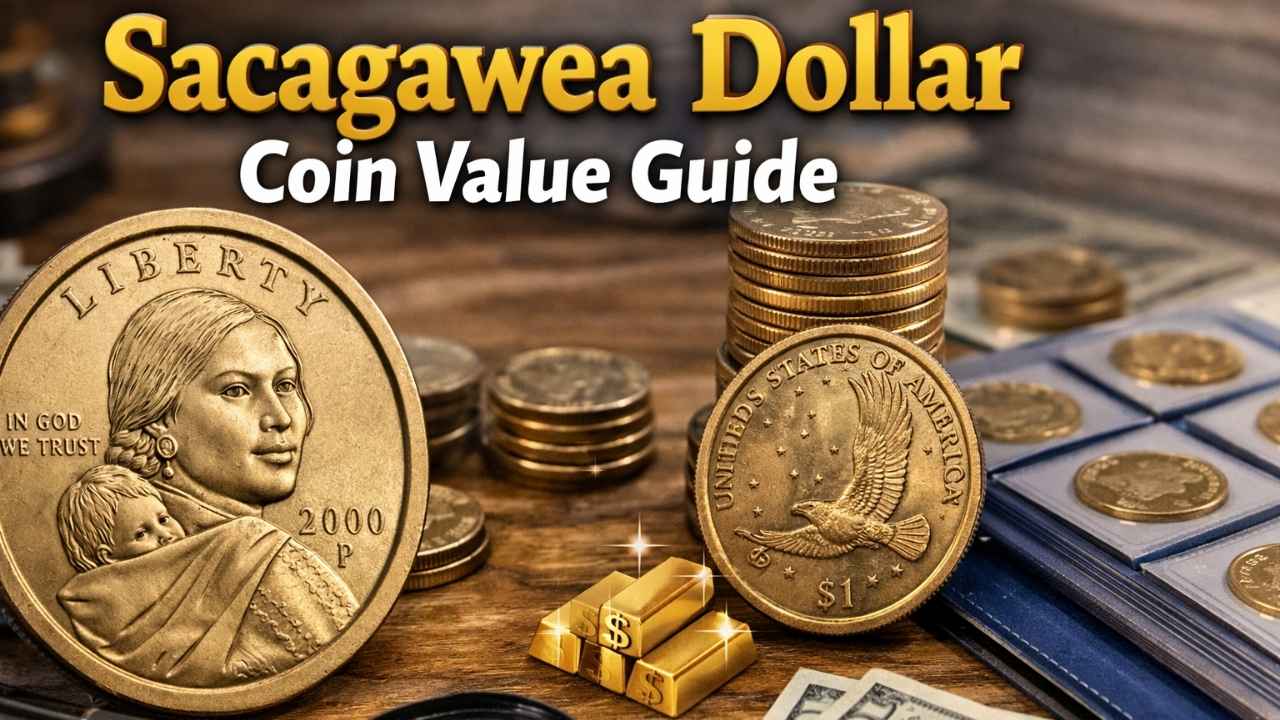
Sacagawea Dollar Coin Value Guide 2026: The Sacagawea dollar remains one of the most recognizable modern coins in American history. First introduced in 2000, the coin honors Sacagawea, the Shoshone woman who assisted the Lewis and Clark expedition. Although it never became widely used in everyday transactions, it developed a strong following among collectors.
As we move into 2026, interest in the Sacagawea dollar continues to grow, especially for rare varieties, special mint marks, and high grade examples. While most coins are worth only face value, certain dates and errors can bring impressive premiums. Understanding mint marks, grading standards, and collector strategies can help you determine whether your coin is common or truly valuable.

History of the Sacagawea Dollar
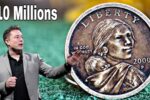
The Sacagawea dollar replaced the Susan B. Anthony dollar in 2000. The obverse design, created by sculptor Glenna Goodacre, features a portrait of Sacagawea carrying her infant son Jean Baptiste. The reverse originally displayed a soaring eagle design by Thomas D. Rogers.
Beginning in 2009, the reverse design changed annually as part of the Native American Dollar Program. These new reverses celebrate contributions made by Native Americans throughout United States history. Despite these design changes, the obverse portrait of Sacagawea has remained consistent.
The coin is composed of a manganese brass clad outer layer, giving it a golden color. This distinctive appearance often leads people to mistake it for solid gold, though it contains no precious metal.
Understanding Mint Marks
Mint marks are small letters on a coin that indicate where it was produced. For Sacagawea dollars, the main mint marks include P for Philadelphia, D for Denver, and S for San Francisco.
Philadelphia and Denver coins were struck primarily for circulation. San Francisco coins were produced mainly as proof coins for collectors. Proof coins feature a mirror like finish and sharper details.
Some special issues were also struck at West Point, though these are less common and usually produced for promotional or collector purposes. The mint mark can significantly impact value, especially for low mintage issues or proof only releases.

Key Dates and Valuable Years
While most Sacagawea dollars are common, several dates stand out due to rarity or collector demand.
The 2000 P Cheerios dollar is one of the most famous varieties. A small number were included in cereal boxes as a promotional item. Some of these coins feature enhanced tail feathers on the eagle reverse. Authentic examples can sell for thousands of dollars depending on condition.
The 2000 P Wounded Eagle error is another highly sought after variety. A die gouge across the eagle gives the appearance of a spear through the bird. This dramatic error can bring several hundred to several thousand dollars.
The 2009 to 2012 Native American reverse dollars also attract attention because of lower mintages compared to earlier years. High grade examples from these years often sell for premiums.

Common Errors to Watch For
Mint errors can dramatically increase the value of a Sacagawea dollar. Collectors actively search for striking mistakes and unusual die varieties.
Popular errors include:
Double die errors where lettering or design elements appear doubled
Off center strikes where the design is misaligned
Broadstrike errors where the coin spreads beyond its normal rim
Clipped planchets where a portion of the coin is missing
Edge lettering errors on later Native American dollars
Authentication is important when dealing with errors. Many coins show minor damage that can be mistaken for mint mistakes. Professional grading services can confirm whether an error is genuine.

Grading and Condition Matters
Coin grading plays a major role in determining value. A Sacagawea dollar in circulated condition may only be worth one dollar, while the same coin in pristine condition could be worth much more.
Grading typically ranges from Poor to Mint State 70. Mint State coins show no wear and retain full detail and luster. Proof coins are graded separately and often receive special designations such as Deep Cameo.
Coins graded MS67 or higher are considered superb gems and often command significant premiums. Because Sacagawea dollars were saved in large numbers, only the highest quality examples stand out in today’s market.
Collectors should handle coins carefully and store them in protective holders to preserve condition.
2026 Market Value Overview
As of 2026, standard circulation Sacagawea dollars from common years generally sell for face value unless they are in uncirculated rolls or high grade slabs.
Proof coins from San Francisco typically range from five to fifteen dollars depending on year and condition.
Error coins can range from fifty dollars for minor mistakes to several thousand dollars for rare and dramatic varieties like the Cheerios enhanced tail feathers.
High grade certified coins, particularly MS68 and above, may bring one hundred dollars or more depending on the specific year and population reports.
Market demand fluctuates, so values may change over time based on collector interest and availability.
Collecting Strategies for Beginners
If you are new to collecting Sacagawea dollars, start by assembling a date and mint mark set. This involves collecting one coin from each year and mint location.
Next, consider adding proof coins and Native American reverse designs to your collection. These coins showcase artistic diversity and often have lower mintages.
Searching bank rolls can also be rewarding. Although many coins remain in storage, occasional circulation finds still occur.
It is wise to research population reports and auction results before purchasing expensive varieties. Knowledge helps prevent overpaying and ensures you buy authentic coins.
Storage and Preservation Tips
Proper storage protects your investment. Keep coins in acid free holders or certified slabs. Avoid cleaning coins, as cleaning can damage surfaces and reduce value.
Store coins in a cool, dry place to prevent tarnishing or discoloration. Humidity and temperature fluctuations can affect metal surfaces over time.
Handling coins by the edges and wearing cotton gloves can also help maintain their condition.
Are Sacagawea Dollars a Good Investment
Sacagawea dollars can be enjoyable collectibles, but they should not be viewed purely as investment vehicles. While certain rare varieties have increased in value, most coins remain affordable and accessible.
Collectors who focus on high grade certified coins or recognized error varieties tend to see better long term performance. However, the real value often lies in the historical significance and enjoyment of building a complete set.
As the Native American Dollar Program continues, new reverse designs keep the series fresh and appealing.
Final Thoughts
The Sacagawea dollar series offers something for every collector, from affordable circulation coins to rare and valuable errors. Understanding mint marks, grading standards, and key varieties can help you identify hidden gems in your collection.
As 2026 unfolds, interest in modern United States coinage remains strong. Whether you are searching through bank rolls or investing in certified rarities, the Sacagawea dollar continues to hold an important place in American numismatic history. With patience and knowledge, even a simple golden dollar could turn out to be far more valuable than it appears at first glance.