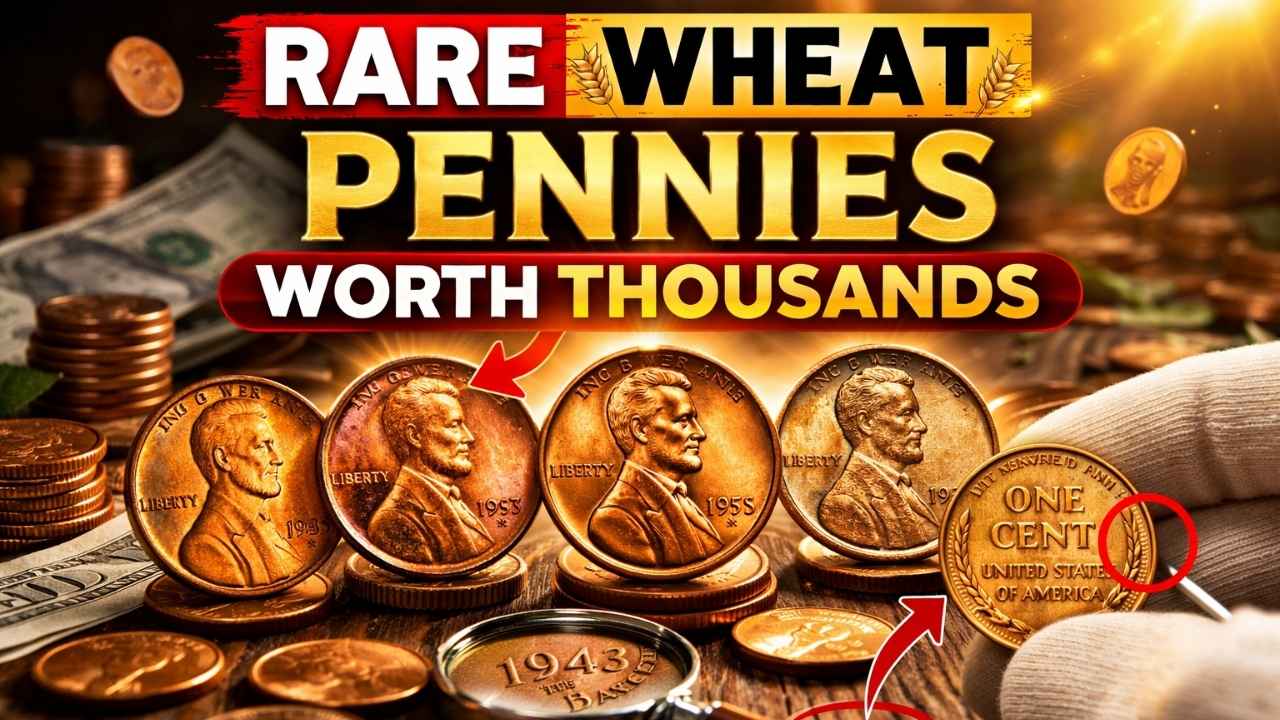
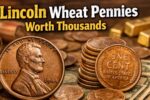
Top 9 Rare Wheat Pennies Worth Thousands: The Lincoln Wheat Penny, minted from 1909 to 1958, is one of the most beloved coins in American numismatics. With Abraham Lincoln’s portrait on the front and two wheat stalks on the back, these coins were produced in massive numbers. Yet, hidden among the billions are rare varieties that can transform a simple penny into a treasure worth thousands—or even hundreds of thousands—of dollars.
Collectors and enthusiasts often dream of stumbling upon one of these rarities in pocket change, coin jars, or inherited collections. The thrill lies not only in the monetary value but also in the historical stories these coins carry.
Why Wheat Pennies Can Be Worth Thousands
Several factors determine why certain wheat pennies are so valuable:
- Low Mintage: Some years had very limited production, making surviving coins scarce.
- Mint Errors: Mistakes during production, such as doubled dies or wrong planchets, created unique coins.
- Historical Context: Coins struck during wartime or transitional years often hold extra significance.
- Condition: Well-preserved coins in higher grades can multiply in value dramatically.
The Top 9 Rare Wheat Pennies
1909-S VDB
The 1909-S VDB penny is considered the crown jewel of wheat pennies. Only 484,000 were minted in San Francisco with designer Victor David Brenner’s initials (VDB) on the reverse. Public controversy led to the initials being removed, making this coin exceptionally rare.
1914-D
The 1914-D penny from Denver is scarce, with just over 1.1 million minted. High-grade examples are extremely difficult to find and can sell for tens of thousands.
1922 No D
Due to a minting error, some 1922 pennies struck in Denver lack the “D” mintmark. These are highly prized by collectors and command impressive prices.
1931-S
The Great Depression reduced coin production, and only 866,000 of the 1931-S pennies were minted. This makes them rare finds today, especially in good condition.
1943 Bronze
During World War II, pennies were supposed to be struck in steel to conserve copper. A few bronze planchets were mistakenly used, creating one of the most famous error coins in U.S. history. One example sold for $840,000.
1944 Steel
Similar to the 1943 bronze error, a few 1944 pennies were accidentally struck in steel instead of copper. These coins are extremely rare and valuable, with auction prices exceeding $400,000.
1955 Double Die
The 1955 doubled die penny is instantly recognizable, with its doubled lettering on “LIBERTY” and “IN GOD WE TRUST.” Collectors prize this coin for its dramatic error.
1926-S
With a low mintage of 4.4 million and poor strike quality, the 1926-S penny is difficult to find in high grades. Well-preserved examples are worth thousands.
1917 Double Die Obverse
This error coin shows doubling on Lincoln’s profile and inscriptions. Though less famous than the 1955 doubled die, it remains a valuable rarity.
Comparison Table of Rare Wheat Pennies
| Year & Variety | Mint Location | Estimated Mintage | Notable Feature | Value Range (USD) |
|---|---|---|---|---|
| 1909-S VDB | San Francisco | 484,000 | Designer initials | $1,000 – $100,000 |
| 1914-D | Denver | 1.1 million | Low mintage | $500 – $20,000 |
| 1922 No D | Denver | Error issue | Missing mintmark | $1,000 – $30,000 |
| 1931-S | San Francisco | 866,000 | Depression-era | $100 – $10,000 |
| 1943 Bronze | Various | Error issue | Wrong planchet | $100,000 – $840,000 |
| 1944 Steel | Various | Error issue | Wrong planchet | $50,000 – $400,000 |
| 1955 Double Die | Philadelphia | Error issue | Doubled lettering | $1,000 – $25,000 |
| 1926-S | San Francisco | 4.4 million | Poor strike | $50 – $10,000 |
| 1917 Double Die Obv. | Philadelphia | Error issue | Doubled profile | $500 – $15,000 |
Values vary depending on condition and auction demand.
How to Spot Rare Wheat Pennies
Collectors should carefully inspect coins for mintmarks, doubling, and unusual features. A magnifying glass or jeweler’s loupe is essential. Reference guides and professional grading services can confirm authenticity.
Stories Behind the Coins
Each rare wheat penny carries a fascinating backstory. The 1909-S VDB reflects early controversy over coin design. The 1943 bronze and 1944 steel errors highlight wartime resource challenges. The doubled dies remind us of the human element in minting, where mistakes can create treasures.
Tips for Collectors
- Check Old Coin Jars: Many rare pennies are discovered in family collections.
- Learn Mintmarks: Understanding the difference between Philadelphia, Denver, and San Francisco mintmarks is crucial.
- Invest in Storage: Proper coin holders prevent damage and preserve value.
- Stay Updated: Auction prices fluctuate, so monitoring current trends helps gauge value.
Conclusion
Wheat pennies are more than just small copper coins—they are pieces of history, symbols of American resilience, and potential treasures hiding in plain sight. From the legendary 1909-S VDB to the wartime 1943 bronze error, these coins remind us that extraordinary value can be found in the most ordinary places.
Whether you are a seasoned numismatist or a curious beginner, the hunt for rare wheat pennies offers excitement, education, and the possibility of uncovering hidden wealth in your pocket change.